
Nam Houng: The Lifeline of Life, Culture, and Economy for the People of Xayaboury District
When speaking of Xayaboury Province, the land of a million elephants and abundant nature in northwestern Laos, one element that cannot be overlooked is 'Nam Houng' or the 'Nam Houng River'. This river is like a major artery flowing through the heart of Xayaboury District, serving as the birthplace of local civilization, a food source, a key factor in agriculture, and currently, a focal point for the province's economic, tourism, and cultural development.
In this article, we will take you on a deep dive into every aspect of the Nam Houng River, from its history and benefits to the lifestyle intertwined with it, and plans for sustainable conservation.
1. History and Geography of the Nam Houng River
The Nam Houng is one of the important tributaries of the Mekong River, flowing through the mountainous and flat regions of Xayaboury Province. Its source originates from complex mountain ranges rich in tropical rain forests, ensuring a year-round water flow.
- Flow Route: The Nam Houng flows through multiple villages and Xayaboury town, branching into smaller streams to distribute moisture to the land before emptying into the Mekong River.
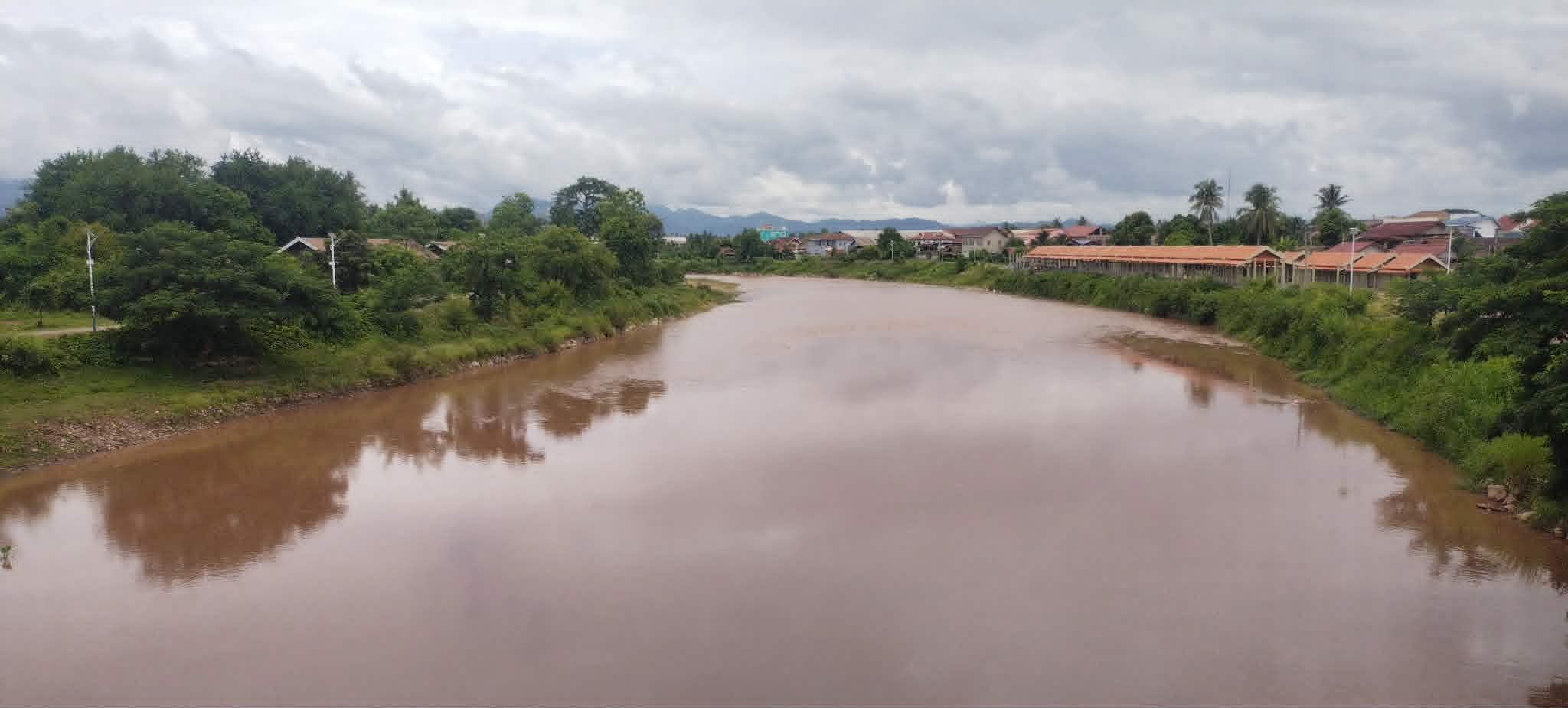
- Physical Characteristics: During the rainy season, the Nam Houng turns a muddy red (as seen in the images) due to runoff and minerals washed down from the mountain peaks, bringing highly fertile soil sediments to the plains. In the dry season, the water gradually clears and becomes a recreational spot for the locals.
2. The Lifeline of Agriculture and Food Security
Xayaboury District is an area famous for cultivation and livestock farming. The Nam Houng is the 'heart' that sustains these occupations:
Riverside Agriculture
Along both banks of the Nam Houng, we can see lush year-round images of vegetable gardens, cornfields, legume plots, and rice paddies. The Nam Houng is utilized in irrigation systems to supply water for dry-season production, providing farmers with a steady household income.
Community Protein Source
Besides water, the river is also a local fishery resource. A variety of freshwater fish serve as staple foods and generate income for villagers who practice traditional fishing methods using nets, casting nets, and bamboo traps.

3. Lifestyle, Culture, and Traditions Tied to the Nam Houng
The bond between the people of Xayaboury and the Nam Houng extends beyond sustenance, deeply rooted in their soul and culture:
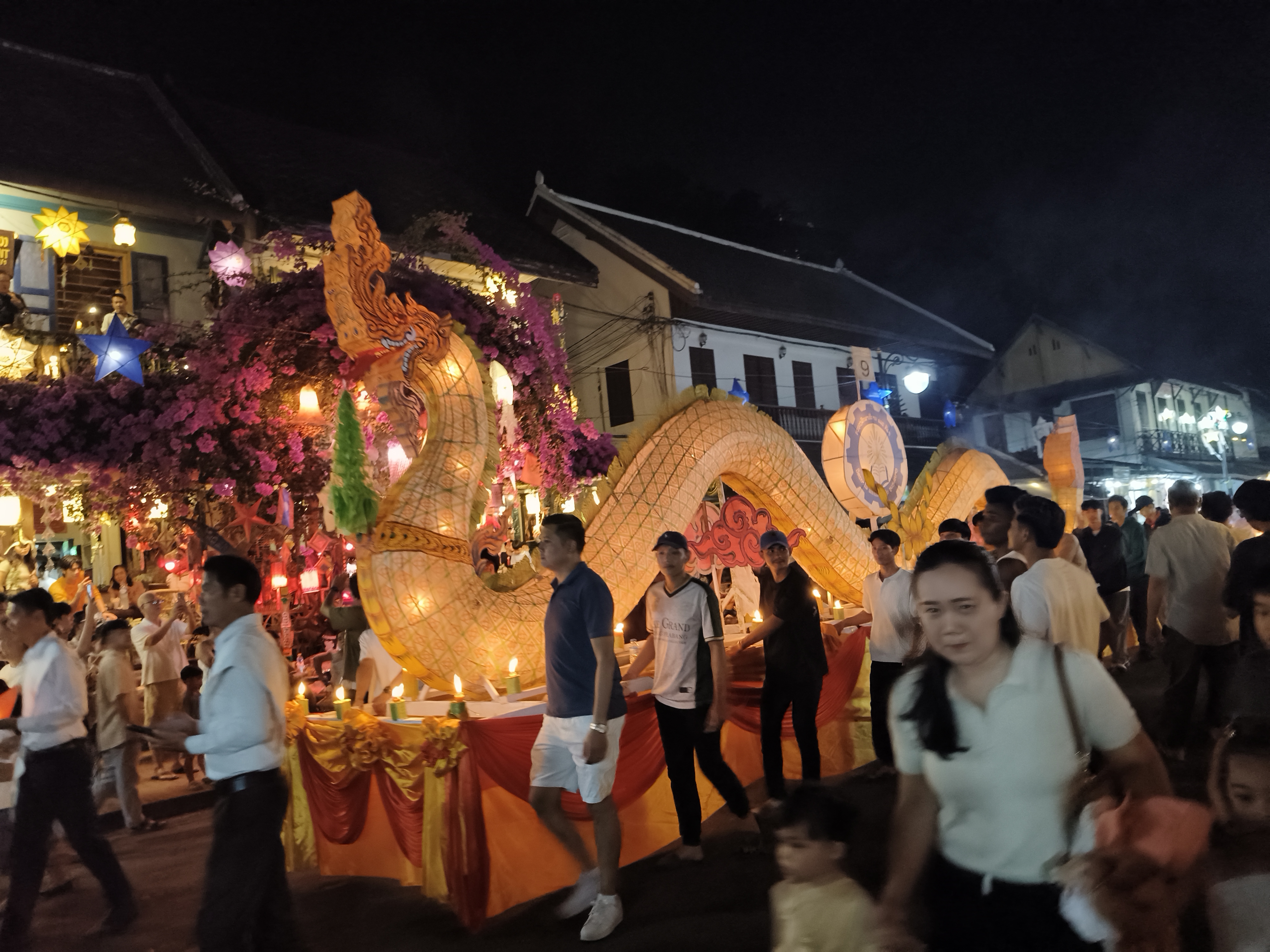
- Boat Racing Festival: Every year, around the end of Buddhist Lent, the Nam Houng becomes an arena for coordination and solidarity during the traditional boat racing festival. The sounds of drums, cheers, and chants resonate along both banks, creating a vibrant atmosphere that attracts numerous domestic and international tourists.
- Daily Lifestyle: From the past to the present, scenes of children playfully swimming, villagers doing laundry, or cattle coming down to drink water continue to reflect the peaceful nature of this town.
4. Nam Houng and Urban Development and Tourism
Today, the provincial authority of Xayaboury recognizes the importance of the Nam Houng and has developed riverside infrastructure to upgrade it into a tourism and recreational spot:
- Embankment Construction: To protect the town and residents' homes from erosion during the rainy season.
- Parks and Riverfront Walkways: Walking and exercise paths, as well as viewpoints, have been built where residents can enjoy the cool breeze and sunset in the evenings, alongside riverside restaurants and cafes welcoming visitors.
- Nam Houng Bridges: Bridges connecting both banks facilitate convenient transportation and serve as stunning photo spots offering panoramic views of the winding river and natural scenery.

5. Challenges and Sustainable Conservation of the Nam Houng
Despite its immense benefits, the Nam Houng currently faces various challenges, such as urban expansion, waste issues, and climate change causing water volume fluctuations.
💡 Recommendations for Protecting the Nam Houng:
- No Littering: Both locals and tourists must join hands to keep it clean and refrain from throwing waste into the water.
- Headwater Reforestation: Preserve the forests in the upstream areas of the Nam Houng to ensure water sources and reduce the severity of flash floods.
- Green Development: Factories or riverside business units must have wastewater treatment systems before releasing water into nature.
Conclusion
The Nam Houng is not merely a passing waterway; it is the 'breath' of Xayaboury District. The beauty of the river embracing the town, the abundance it provides to the land, and the smiles of the people along its banks are all valuable treasures that everyone must join hands to protect. If you ever have the opportunity to stand on the bridge crossing the Nam Houng, breathe in the fresh air, and watch the slow-flowing water, you will instantly understand why this river is truly beloved and the pride of the people of Xayaboury.